How to Find Affordable Glass for Home Renovations and DIY Projects
In today's world, home renovations and DIY projects have become increasingly popular, with homeowners seeking creative ways to enhance their living spaces without breaking the bank. One key element that can transform a room is glass, whether it’s used for windows, partitions, or decorative features. However, finding affordable glass options can be daunting. Industry expert Jonathan Mills, a recognized authority in architectural glass solutions, emphasizes, "Affordable glass solutions are not just about lower prices; they also involve understanding the options available that fit your design needs and budget."
As the focus on sustainable living grows, homeowners are becoming more resourceful in sourcing materials that align with both their aesthetic and fiscal goals. The key to successful home improvements lies in balancing quality and cost, which is where understanding the market for affordable glass becomes essential. With various types of glass products available, ranging from tempered to laminated, making informed decisions can lead to significant savings and impactful designs.
Whether you're looking to modernize your space or create a unique, handcrafted project, discovering affordable glass sources can unlock countless possibilities. By leveraging expert advice and exploring diverse suppliers, you can elevate your home renovations while staying within your budget.
Understanding the Types of Glass Suitable for Home Renovations
When planning home renovations, understanding the different types of glass available can significantly influence both aesthetics and functionality. Commonly used in residential projects, clear glass is a popular choice for windows and doors due to its unobstructed view and natural light enhancement. However, for areas requiring privacy without sacrificing brightness, frosted glass offers an elegant solution. This type of glass obscures visibility while still allowing light to diffuse through, making it ideal for bathrooms or office spaces.
Another option worth considering is tempered glass, which is treated to be more resistant to thermal stress and impacts. This makes it a safe choice for areas such as shower enclosures or glass railings, where durability is paramount. Additionally, laminated glass combines layers for enhanced security and noise reduction, making it appropriate for urban homes where sound insulation is a priority. By evaluating these types of glass and their unique properties, homeowners can make informed decisions that not only suit their renovation needs but also align with their budget constraints.
Budgeting for Glass: Pricing Factors and Cost Estimates
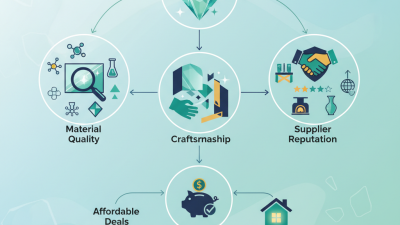
When budgeting for glass in home renovations and DIY projects, it's essential to understand the various factors that influence pricing. The type of glass you choose will significantly affect your budget, with options ranging from standard window glass to specialized products like tempered or low-E glass. The size and thickness of the glass also play a crucial role; larger panes and thicker sheets typically come at a premium. Additionally, any custom cutting or unique shapes required will further increase costs, making it vital to measure accurately and plan your needs ahead of time.
Labor costs are another important aspect to consider. If your project requires professional installation, hiring skilled labor can add significantly to your overall expenses. However, if you're taking on a DIY project, you may save on labor costs, though it's essential to be mindful of the tools and equipment you might need to invest in for safety and precision. Comparing quotes from different suppliers can help you find the best deals, but remember to factor in delivery fees or any additional charges that might apply. By taking these pricing factors into account, you can create a realistic budget that fits your needs while ensuring that your renovation or DIY project stays within financial reach.
Where to Source Affordable Glass for Your Projects
When embarking on home renovations or DIY projects, sourcing affordable glass is crucial to maintaining your budget while achieving a stylish finish. One of the best places to start is your
local home improvement stores, which often carry a range of glass types, from panels to mirrors.
Many stores have discounted sections or clearance items, allowing you to find high-quality glass at reduced prices. Additionally, consider visiting
construction supply shops, as they frequently have leftover materials from larger projects that can be sold at a fraction of the cost.
Another valuable resource for affordable glass is online marketplaces.
Websites dedicated to buying and selling construction materials can be treasure troves of deals. Look for bulk listings or groups where individuals sell excess materials after their renovations.
You can also check local classifieds or community boards for listings; sometimes, homeowners sell their unused glass or entire windows at reasonable prices to clear space.
Lastly, don’t overlook the potential of recycling centers, which often stock salvaged glass that is both eco-friendly and economical, perfect for those looking to combine sustainability with savings in their home projects.
Tips for Evaluating Glass Quality and Durability
When undertaking home renovations or DIY projects, selecting the right type of glass is paramount for both aesthetic appeal and functionality. To evaluate glass quality, one must consider several critical factors, including thickness, clarity, and the manufacturing process. According to the Glass Association, glass thickness can significantly affect durability; for example, tempered glass, which is typically at least 5mm thick, is known to withstand greater impacts and thermal stress compared to standard glass. This information indicates that investing in thicker glass can yield long-term benefits, especially in areas prone to weather fluctuations or physical impacts.
Furthermore, clarity is essential in assessing glass quality, as impurities can weaken structural integrity. Research from the American Society of Civil Engineers indicates that low-iron glass, known for its high clarity and reduced tint, is increasingly favored in modern designs. This type of glass allows for more natural light while maintaining strength, making it an excellent choice for both windows and decorative elements in renovations. Lastly, the glass manufacturing process plays a vital role in its overall durability and performance; ensuring that the glass is processed using industry-standard techniques can help prevent issues such as cracking or distortion over time. By understanding these parameters, homeowners can make informed decisions that enhance the value and longevity of their projects.
DIY Techniques for Handling and Installing Glass Safely
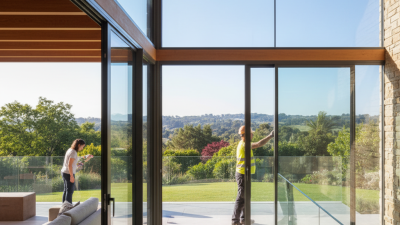
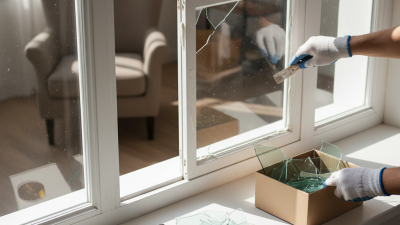
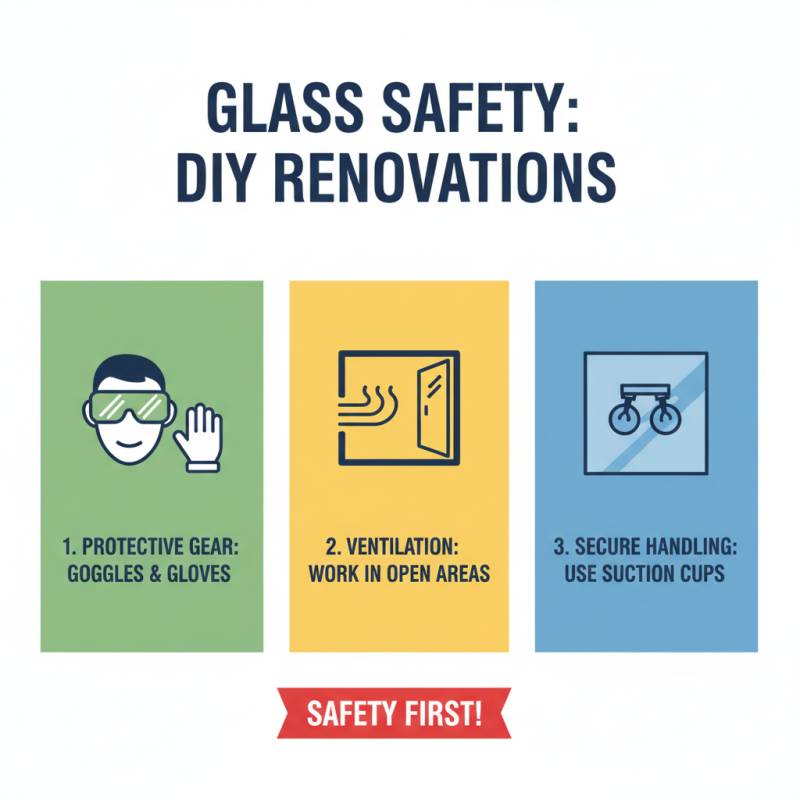
When working with glass for home renovations and DIY projects, safety should always be your top priority. Before you begin, make sure to wear appropriate protective gear, including safety goggles and gloves, to safeguard against any potential injuries. Working in a well-ventilated area can also help minimize the risk of accidents. When handling glass sheets, use a sturdy pair of suction cups to lift and maneuver larger panes, which will reduce the strain on your hands and minimize the risk of dropping them.
Installing glass requires careful planning and execution. First, ensure that the framing or support structure is clean and free of debris. Measure and mark the areas precisely where the glass will be installed. It’s advisable to use a clear silicone adhesive, which will provide a strong bond without being visible once set. When placing the glass, press it gently but firmly into the adhesive, ensuring it is level and aligned with your markings. For added safety and stability, consider using clips or brackets to secure the glass in place until the adhesive fully cures. With attention to detail and mindful handling, you can successfully incorporate glass into your home projects while ensuring a safe environment.